2007 Woven Fabric Company was founded


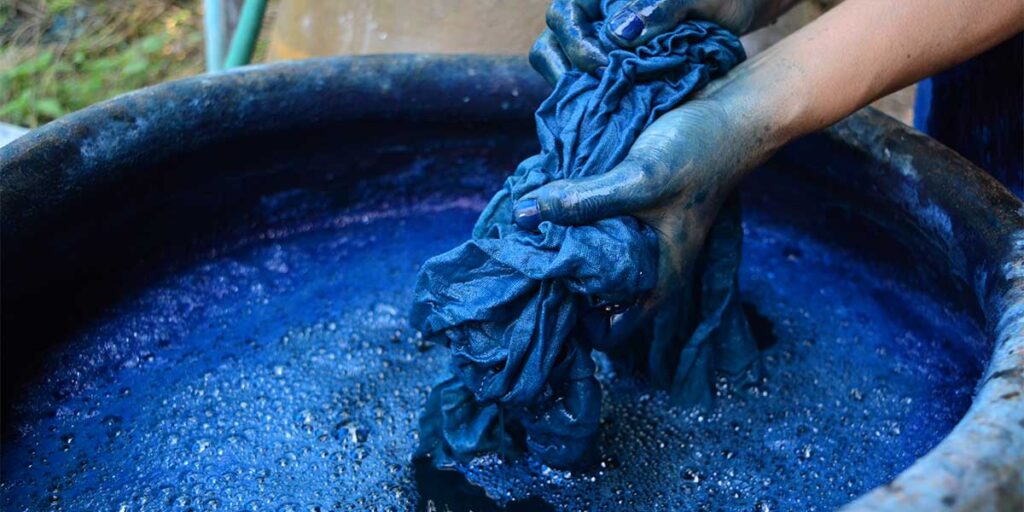
Sustainability begins with what we make and how we make it. Our fibres are traceable from source and include responsibly grown BCI cotton, recycled polyester and regenerated cellulose. We also use low impact dyes to reduce water and chemical use. With most of our supply chain partners located within a 300 kilometer radius, we keep processes efficient, transparent and low in emissions.
Durability and build quality
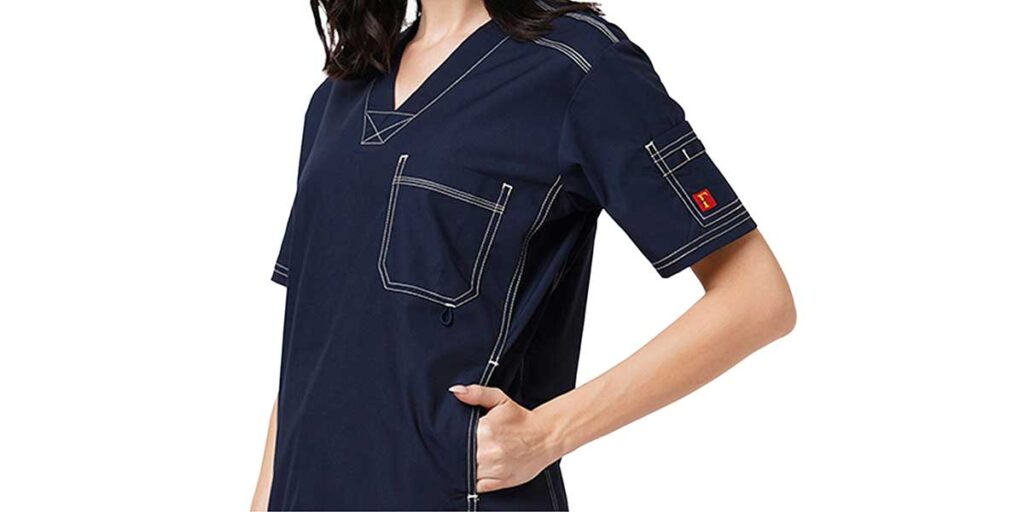
Sustainability also means making garments that last. Our uniforms are engineered for strength and tested through repeated washing, ultraviolet exposure and daily wear. Fabrics are scientifically characterised for tear strength, tensile strength, abrasion resistance and colour fastness. With triple stitching, bar tacked stress points and certified trims such as YKK zips, every detail is designed for reliability. Longer-lasting garments reduce waste, minimise replacement cycles, and provide better value to customers.
People and Ethics
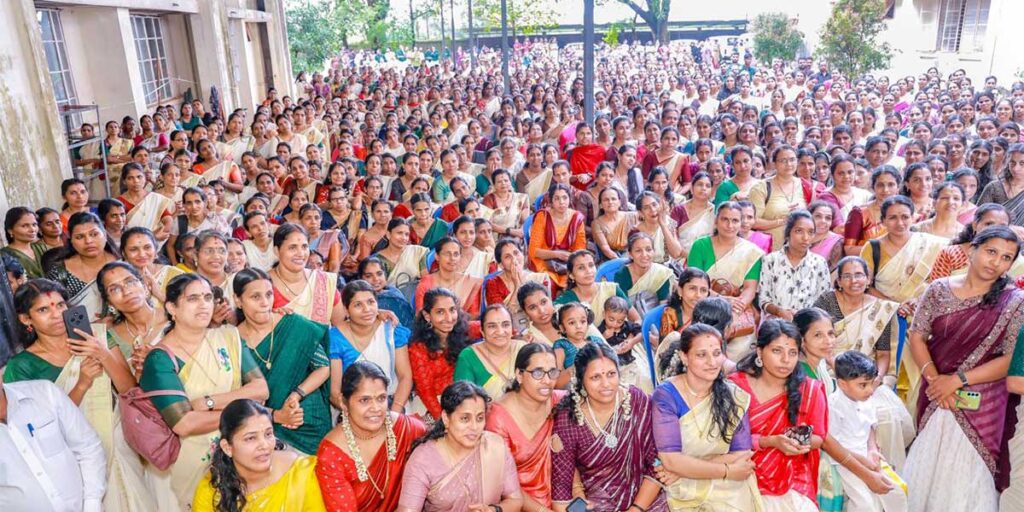
Sustainability is inseparable from responsibility to people. More than one thousand women form the core of our workforce, empowered through secure livelihoods and long-term skills. We hold our supply chains to strict standards on equality, inclusion, and safe working practices. We maintain a zero-tolerance approach to modern slavery and partner with suppliers who share these values-many of whom have worked with us for over thirty years.
Certifications and standards
Our commitments are backed by globally recognised certifications. WFC is certified to ISO 9001 for quality management and ISO 14001 for environmental management. We also maintain accreditation through Sedex and WRAP, which provide assurance of ethical practice, fair labour, and responsible sourcing across our supply chains. These certifications confirm that sustainability at WFC is not a claim, but an independently verified standard.